Skincare Routine for Beginners
Starting a skincare routine can feel confusing, especially when there are hundreds of skincare products available in the market. From cleansers and moisturizers to serums, face masks, and sunscreens, it can be difficult to understand what your skin actually needs.
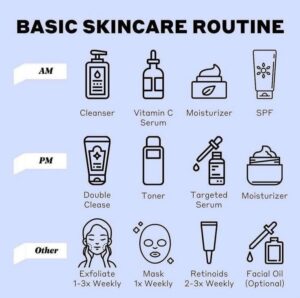
The good news is that an effective skincare routine does not have to be complicated. A simple routine with the right skincare products, consistency, and basic knowledge can help you take better care of your skin.
Whether you are completely new to skincare or want to simplify your current routine, this beginner-friendly guide will help you understand the basics of skincare for healthy-looking skin.
What Is a Skincare Routine?
A skincare routine is a set of steps you follow regularly to cleanse, moisturize, and protect your skin. Depending on your skin type and concerns, you can also add targeted products such as serums or treatments.
A basic skincare routine usually includes:
- Cleanser
- Moisturizer
- Sunscreen
These three steps form the foundation of a beginner skincare routine. Once you understand how your skin responds to these products, you can gradually introduce additional products if needed.
The most important thing is not to use a large number of products. Instead, focus on choosing products that suit your skin type and skincare needs.
Step 1: Know Your Skin Type
Before buying skincare products, it is important to understand your skin type. Using products that are not suitable for your skin can sometimes cause irritation or make existing concerns worse.
The common skin types are:
Oily Skin
Oily skin tends to produce more sebum, which can make the face appear shiny. People with oily skin may also experience clogged pores or occasional breakouts.
Lightweight, non-comedogenic products may be more comfortable for oily skin.
Dry Skin
Dry skin can feel tight, rough, or uncomfortable, particularly after cleansing. It may benefit from gentle cleansers and moisturizing products designed to support the skin barrier.
Combination Skin
Combination skin typically has both oily and dry areas. For example, the forehead, nose, and chin may feel oilier while the cheeks feel normal or dry.
A balanced skincare routine can help address the different needs of these areas.
Normal Skin
Normal skin is generally neither excessively oily nor excessively dry. However, it still needs cleansing, moisturization, and protection from the sun.
Sensitive Skin
Sensitive skin may react easily to certain products or environmental factors. If your skin is sensitive, introduce new products slowly and consider patch testing before applying them more broadly.
Remember that your skin type can change due to factors such as weather, age, hormones, and changes in your routine.
Step 2: Start With a Gentle Cleanser
Cleansing is usually the first step in both morning and evening skincare routines.
A cleanser helps remove sweat, excess oil, dirt, makeup, and other impurities from the skin.
For beginners, a gentle cleanser is usually a good place to start. Avoid assuming that a cleanser needs to leave your skin feeling extremely tight or dry to be effective.
How to Use a Cleanser
- Wet your face with lukewarm water.
- Apply a small amount of cleanser.
- Gently massage it over your face.
- Rinse thoroughly.
- Pat your face dry with a clean towel.
Avoid scrubbing your face aggressively, as excessive friction can irritate the skin.
If you wear makeup or water-resistant sunscreen, you may need an appropriate first cleansing step before your regular cleanser.
Step 3: Add a Moisturizer
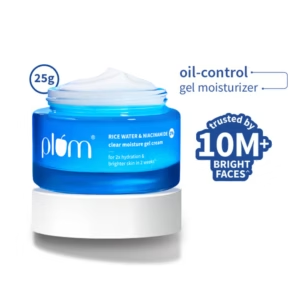
Moisturizer is an important part of a skincare routine, regardless of whether your skin is oily, dry, or combination.
A moisturizer helps support the skin barrier and reduces the feeling of dryness or tightness.
People with oily skin often prefer lightweight gel or lotion textures, while people with dry skin may prefer richer creams.
When choosing a moisturizer, look for a formula that feels comfortable on your skin and fits your skin type.
 Why Is Moisturizing Important?
Your skin barrier helps protect your skin from external environmental factors and helps maintain moisture. A suitable moisturizer can support this barrier and keep your skin feeling comfortable.
Even if your skin is oily, skipping moisturizer is not necessarily helpful. Instead, choose a lightweight formula that suits your skin.
Step 4: Never Skip Sunscreen During the Day
Sunscreen is one of the most important products in a daytime skincare routine.
Sun exposure can contribute to premature skin aging and other forms of skin damage. Using a broad-spectrum sunscreen as directed can help protect exposed skin from ultraviolet radiation.
For everyday use, choose a sunscreen that provides broad-spectrum protection and has an SPF appropriate for your needs.
How to Apply Sunscreen
Apply sunscreen as the final step of your morning skincare routine before makeup, if you wear it.
Remember to apply it to commonly exposed areas such as:
- Face
- Neck
- Ears
- Other exposed skin
If you spend extended time outdoors, reapplication may be necessary according to the product’s directions and your activities.
Step 5: Introduce Serums Slowly
Once you are comfortable with your basic routine, you may decide to add a serum.
Serums are concentrated skincare products designed around particular ingredients or concerns.
Some commonly discussed skincare ingredients include:
Niacinamide
Niacinamide is a form of vitamin B3 commonly used in skincare. It is often included in products designed to support the skin barrier and improve the appearance of uneven skin.
Hyaluronic Acid
Hyaluronic acid is a humectant that helps attract and retain water. It is commonly found in hydrating skincare products.
Vitamin C
Vitamin C is an antioxidant frequently used in skincare products designed to support brighter-looking, more even-looking skin and help protect against environmental oxidative stress.
Salicylic Acid
Salicylic acid is a beta hydroxy acid commonly used in products for oily or acne-prone skin. It can help exfoliate inside pores.
However, active ingredients are not automatically better simply because they are stronger. Beginners should introduce one new active product at a time and follow its instructions.
Morning vs Night Skincare Routine
Your morning and evening routines do not have to be identical.
Simple Morning Routine
Step 1: Cleanser
Step 2: Moisturizer
Step 3: Sunscreen
You can add other products, such as a serum, depending on your individual skincare needs.
Simple Night Routine
Step 1: Remove makeup or sunscreen if needed
Step 2: Cleanser
Step 3: Treatment or serum, if appropriate
Step 4: Moisturizer
A simple routine is often easier to maintain consistently than a complicated routine with many steps.
Common Skincare Mistakes Beginners Should Avoid
Starting skincare is exciting, but using too many products at once can make it difficult to understand what works for you.
Here are some common mistakes to avoid.
1. Using Too Many Products
You do not need ten different products to build an effective skincare routine.
Start with the basics and add products gradually.
2. Changing Products Too Frequently
Trying a new product every few days can make it difficult to identify which product is causing irritation or whether a product is actually suitable for you.
Give your routine time and introduce new products one at a time.
3. Ignoring Your Skin Type
A product that works well for one person may not work the same way for someone else.
Consider your skin type, concerns, and how your skin reacts to products.
4. Over-Exfoliating
Exfoliation can be useful for some people, but excessive exfoliation can irritate the skin and disrupt the skin barrier.
Follow the product instructions and avoid combining multiple strong exfoliating products without understanding how they interact.
5. Skipping Sunscreen
A good skincare routine should include daily sun protection when appropriate. Skipping sunscreen can undermine efforts to protect your skin from UV exposure.
6. Expecting Instant Results
Skincare generally requires consistency. Not every product will produce visible changes immediately, and some concerns may require professional advice.
Focus on building sustainable habits rather than expecting overnight results.
How to Choose the Right Skincare Products
With so many options available, shopping for skincare can become overwhelming.
Before purchasing a product, consider:
1. Your skin type: Is your skin oily, dry, combination, normal, or sensitive?
2. Your skincare concern: Are you mainly looking for hydration, barrier support, oil control, or another specific goal?
3. Ingredients: Understand the main ingredients and their intended purpose.
4. Product texture: Choose a texture that feels comfortable and fits your routine.
5. Product instructions: Always read the label and follow the recommended method of use.
6. Patch testing: If a product is new to you, consider patch testing according to the manufacturer’s guidance, especially if your skin is sensitive.
Do You Need an Expensive Skincare Routine?
Not necessarily.
A higher price does not automatically mean a skincare product will be better for your skin. A simple routine with well-chosen products can be more useful than buying many expensive products that do not match your needs.
When building a skincare routine, prioritize:
- Suitable ingredients
- Skin compatibility
- Product quality
- Consistency
- Sun protection
Instead of buying products because they are trending on social media, understand what the product is designed to do and whether it fits your routine.
How to Build a Simple Beginner Skincare Routine
If you are completely new to skincare, keep things simple.
Morning
Cleanser → Moisturizer → Sunscreen
Night
Cleanser → Moisturizer
Once your skin is comfortable with this basic routine, you can consider introducing a suitable serum or treatment based on your specific needs.
Introducing one product at a time makes it easier to understand how your skin responds.
Final Thoughts
A good skincare routine does not need to be complicated. For beginners, the most important steps are cleansing, moisturizing, and protecting the skin from UV exposure.
Understanding your skin type can help you choose more suitable skincare products. Rather than following every new skincare trend, focus on products that match your individual needs and maintain a consistent routine.
Remember that everyone’s skin is different. If you experience persistent irritation, severe acne, unusual changes, or other ongoing skin concerns, consider speaking with a qualified dermatologist or healthcare professional.
Healthy-looking skin is not about having a huge collection of products. It is about understanding your skin, choosing products thoughtfully, and building simple habits that you can maintain over time.